Both terms get thrown around like they mean the same thing. They don't. Here's the plain-language breakdown — no jargon, no sales pitch — plus which Ford, Mazda, and Volkswagen models around here actually have each one.
Written for drivers around Twin Falls, Burley, Jerome & Rupert
All-wheel drive (AWD) works automatically, all the time, sending power to whichever wheels have the most grip — great for daily driving, rain, and most snow. Four-wheel drive (4WD) is usually driver-selectable, built around a low-range gearbox, and made for serious off-road or deep-snow situations. Most crossovers and sedans use AWD. Most trucks and dedicated off-roaders use 4WD.
Both systems are trying to solve the same basic problem — getting power to the ground when a wheel starts to slip. They just go about it in different ways.
Always on. A center differential constantly sends power to whichever wheels have grip — no driver input needed. Found on most crossovers, from the Mazda CX-5 to the VW Atlas.
Driver-engaged. A transfer case adds a low-range gear set for extra torque at low speeds — you (or a 4A mode) switch it on. Found on trucks and true off-roaders, like the Bronco and Ranger.
| All-Wheel Drive | Four-Wheel Drive | |
|---|---|---|
| How it engages | Automatic, full-time — no driver action | Usually driver-selected (or auto-4WD mode) |
| Best for | Rain, light-to-moderate snow, daily driving | Deep snow, mud, gravel, towing, off-road |
| Low-range gearing | No | Yes, on most true 4WD systems |
| Typically found on | Crossovers & SUVs (CX-5, Taos, Escape) | Trucks & off-roaders (Ranger, Bronco, F-150) |
| Fuel economy impact | Small | Slightly larger, especially in 4Hi/4Lo |
If you're mostly running errands around Twin Falls or Burley, a good AWD crossover and a solid set of winter tires will get you through nearly every storm this valley sends. Where 4WD earns its keep is once you're off the plowed road — heading up toward Sun Valley, working a gravel road out past Jerome or Rupert, or towing something heavy through the shoulder seasons. Neither one is the "right" answer for everybody. It comes down to where you actually drive.
Every brand handles this a little differently. Here's what's standard, what's available, and what isn't offered at all.
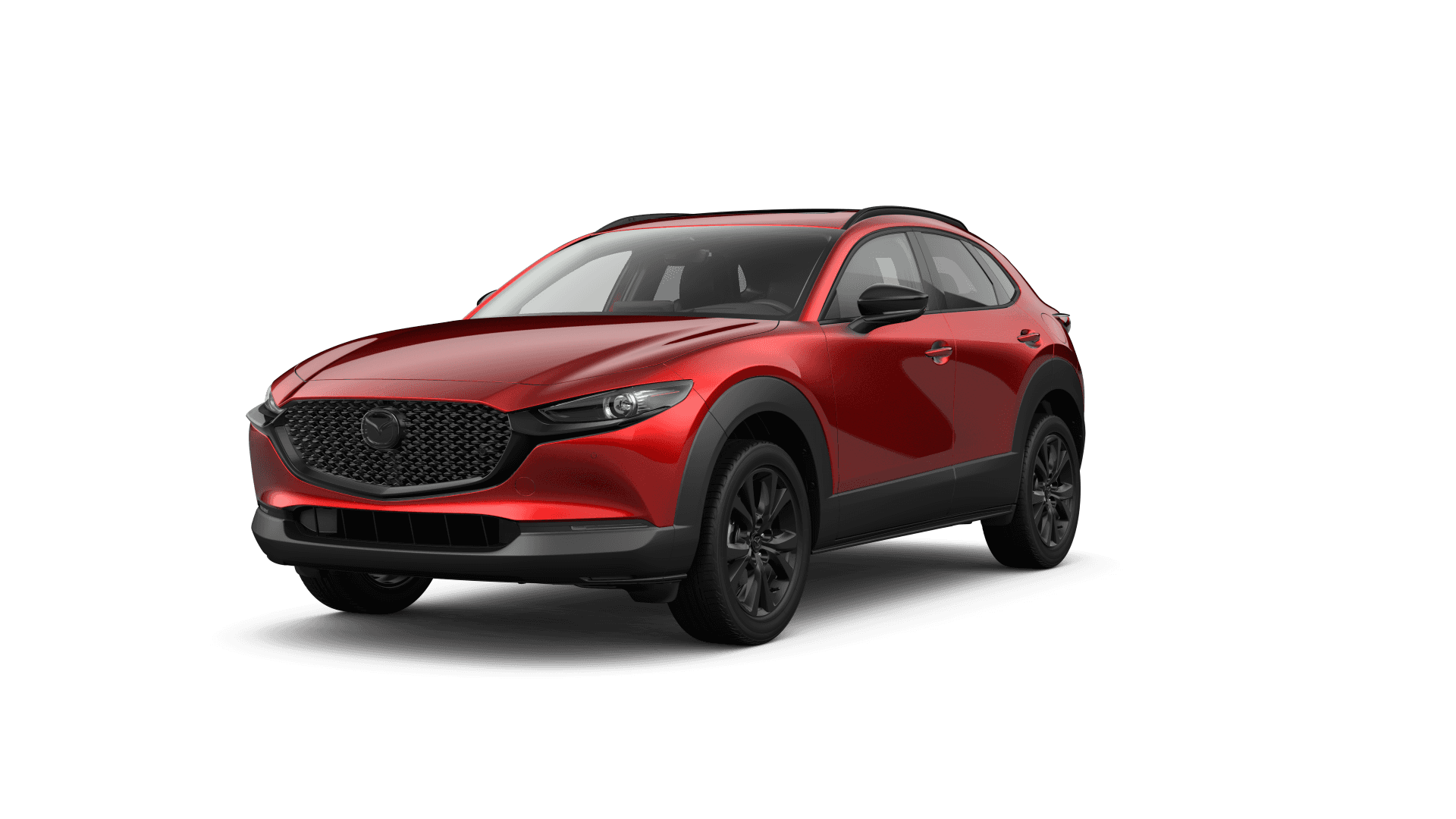
Compact SUV, standard i-Activ AWD on every trim.
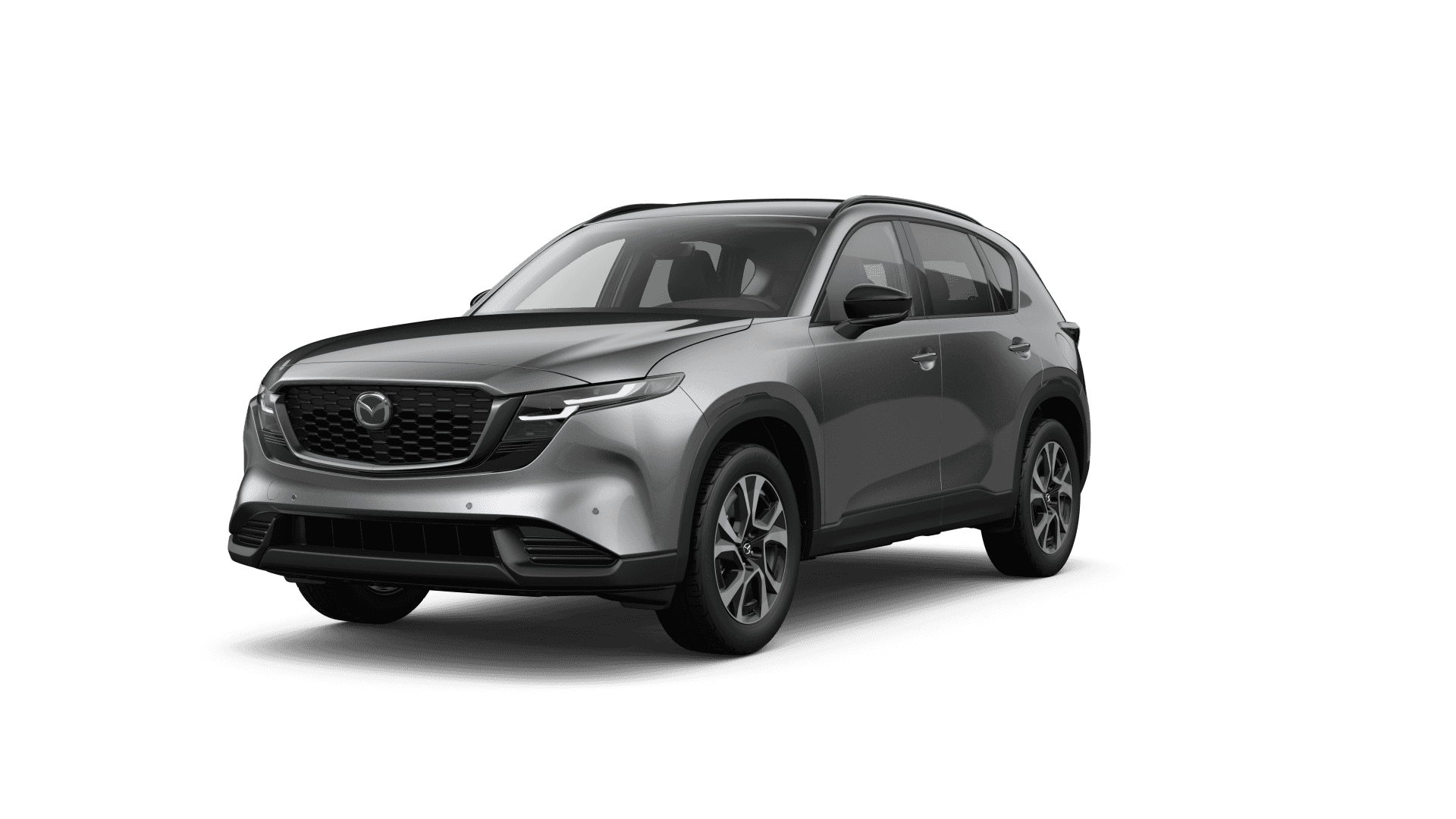
The everyday all-rounder, AWD included from the base trim up.
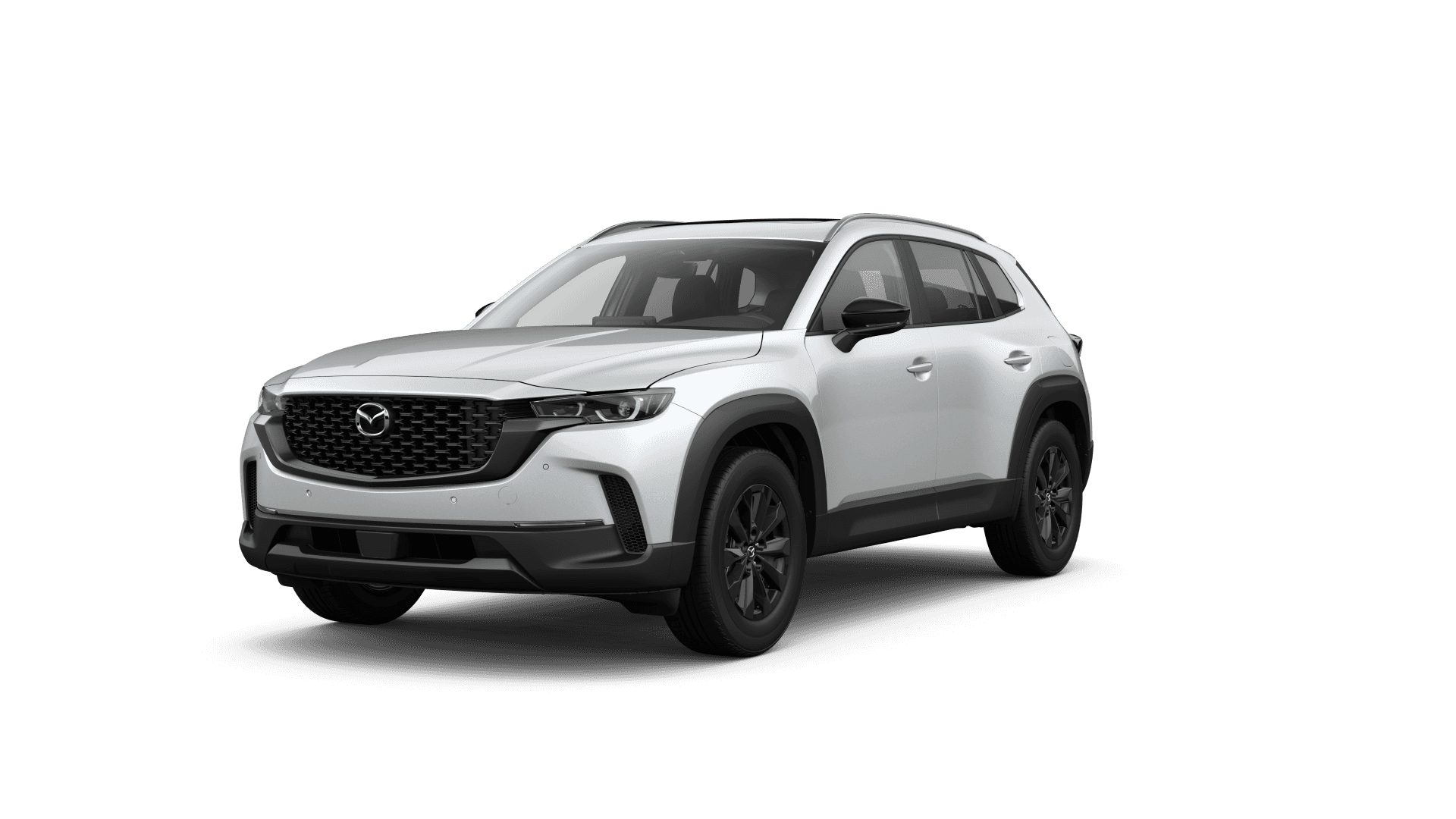
Higher ground clearance, built with gravel roads in mind.
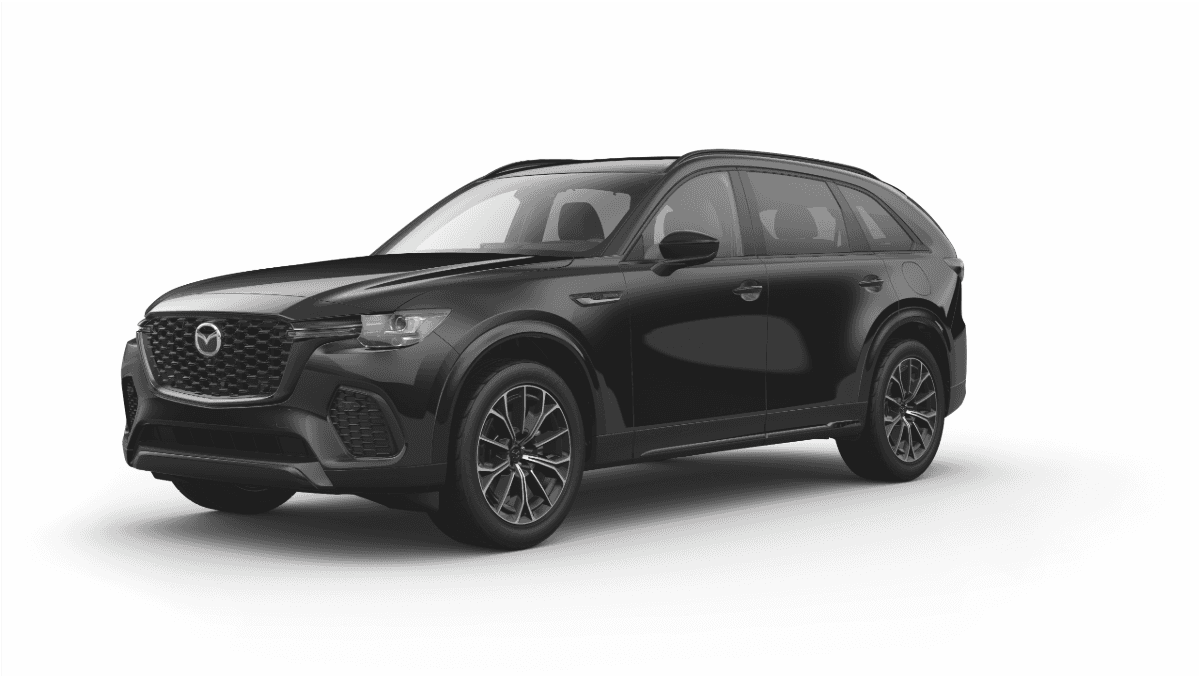
Two-row, mild-hybrid, standard AWD.
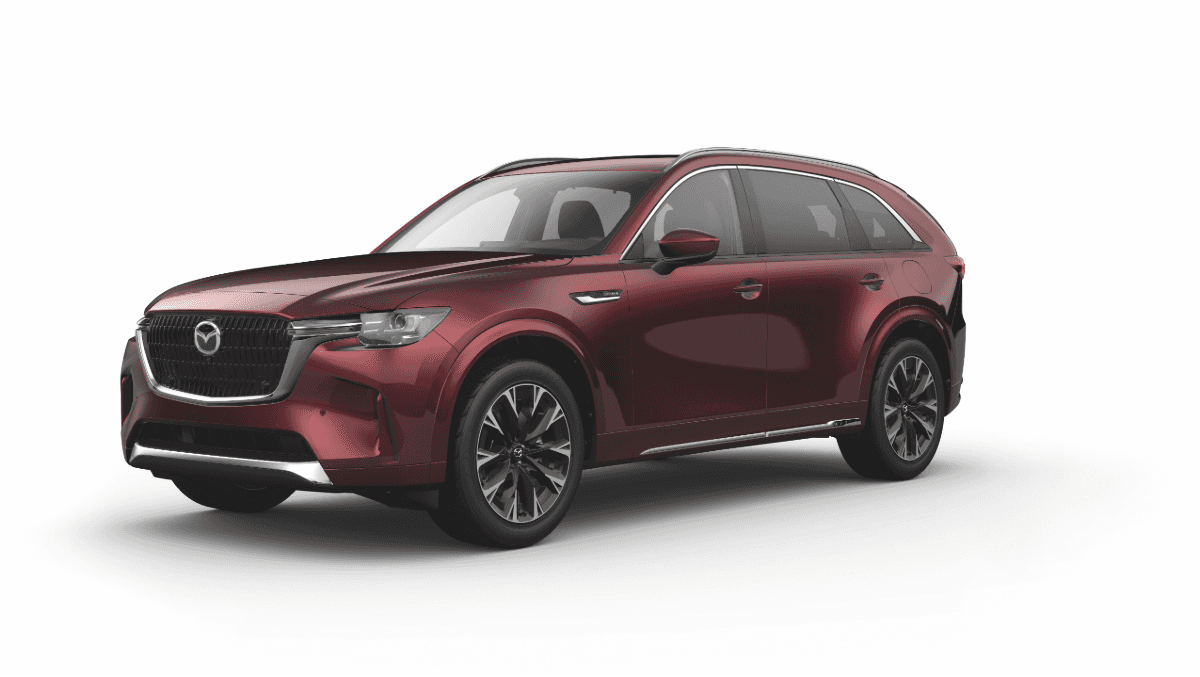
Three-row family SUV, mild-hybrid, standard AWD.
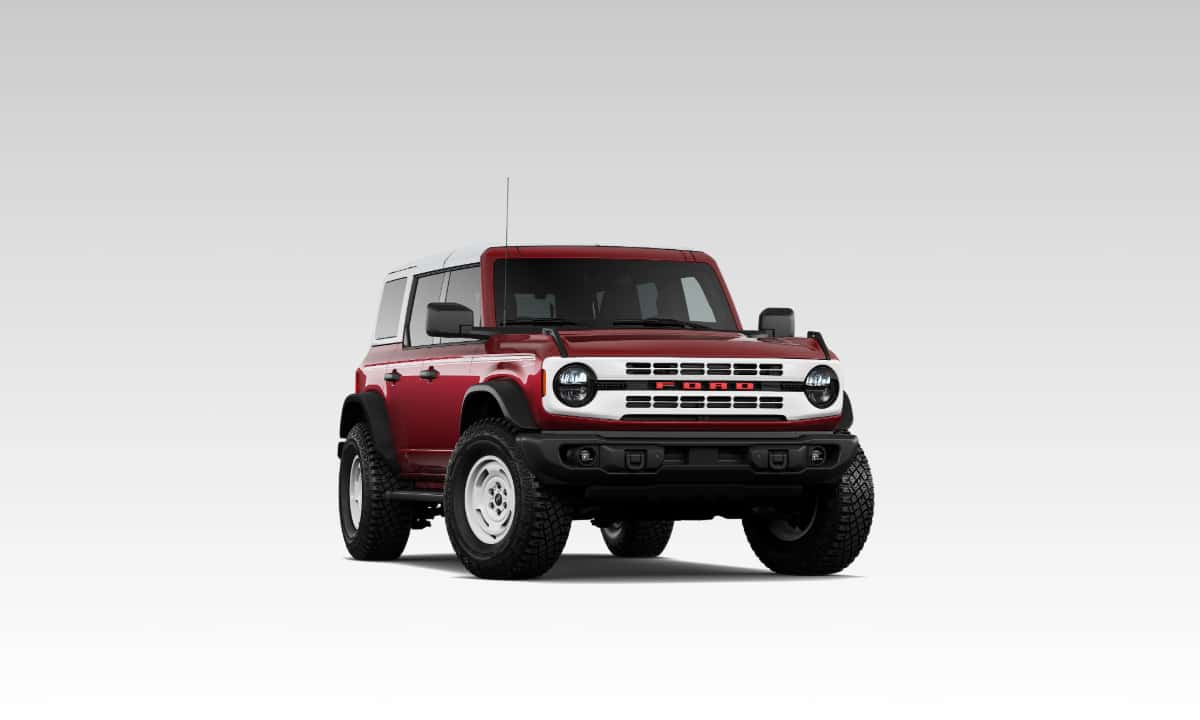
True 4WD with a low-range transfer case, built for the trail.
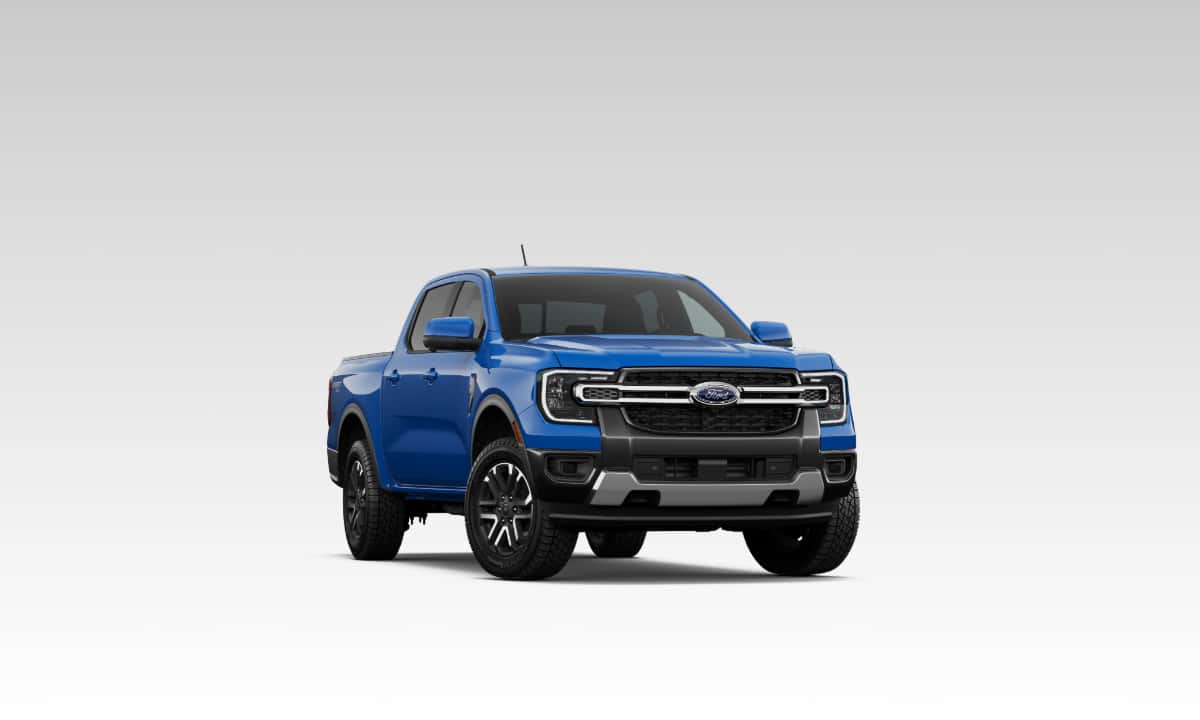
Midsize truck, 4x4 available across most trims.
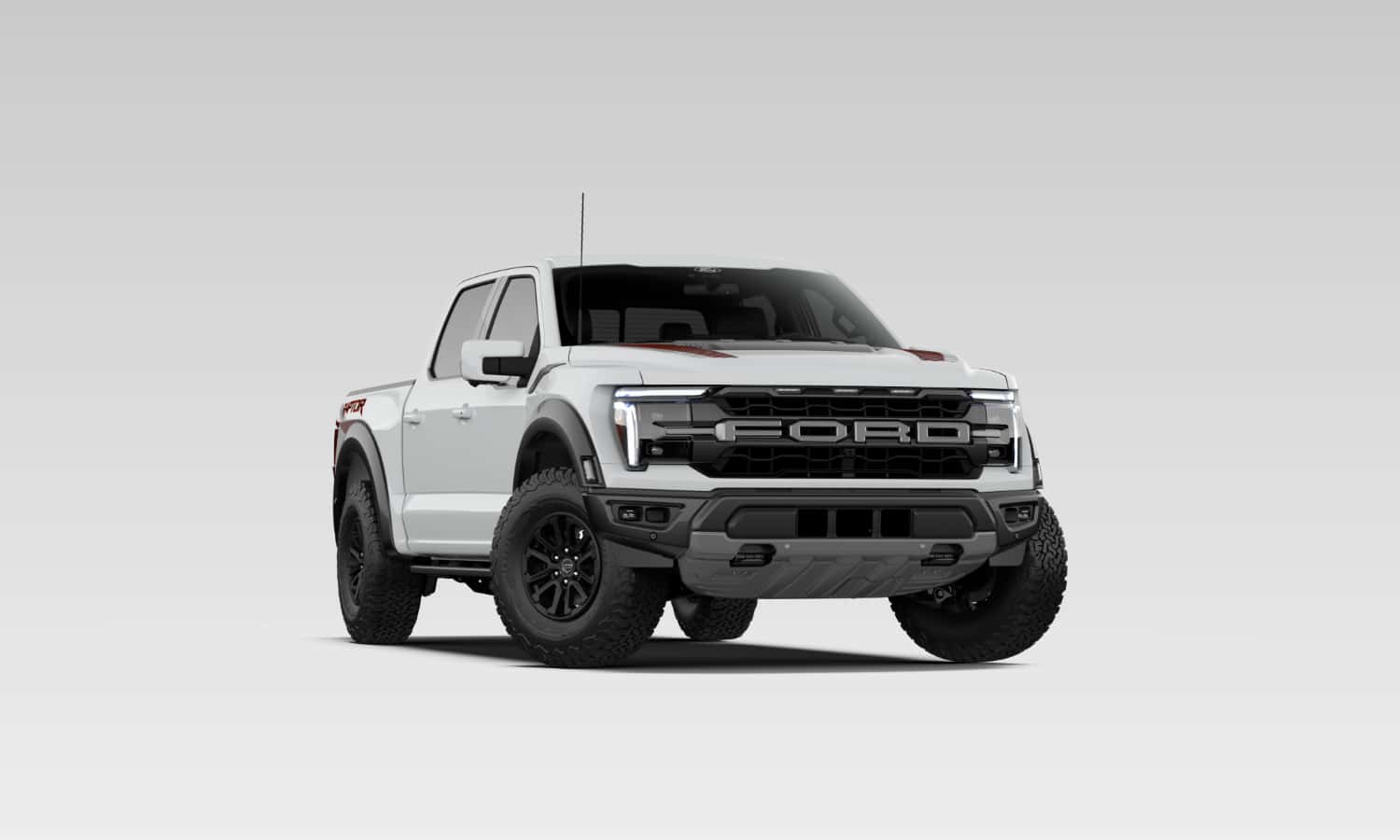
Built for speed off-road, standard 4WD with off-road tuning.
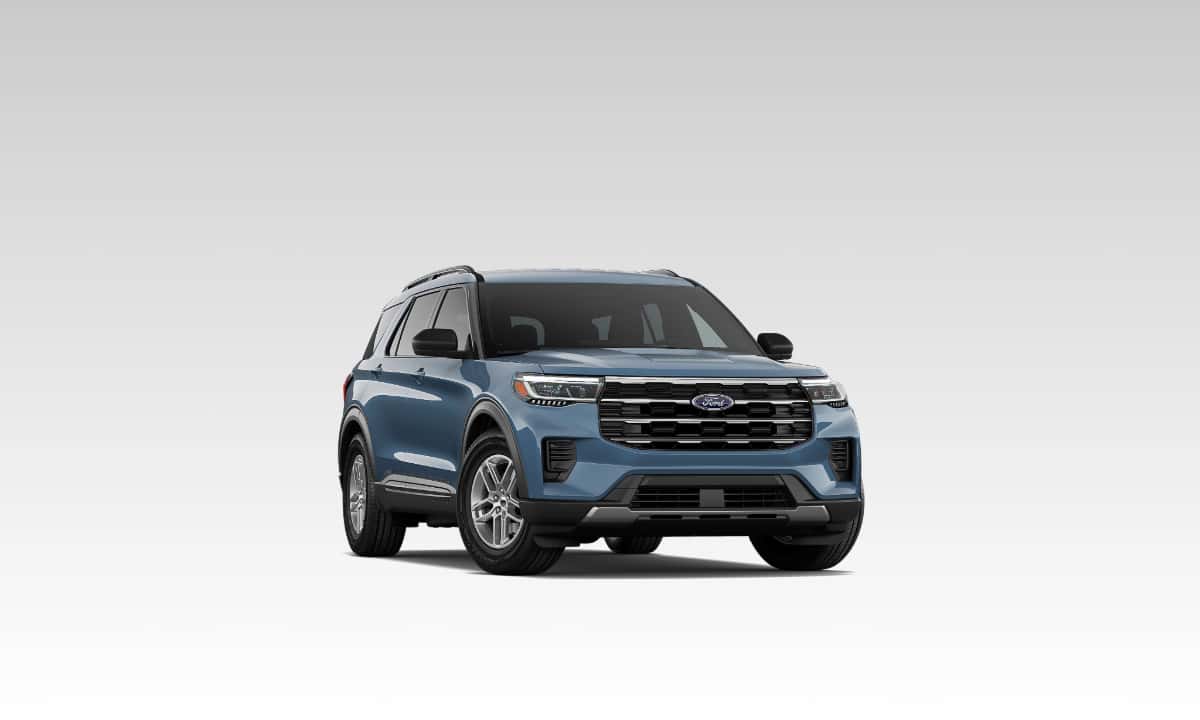
Three-row family SUV, AWD available on most trims.
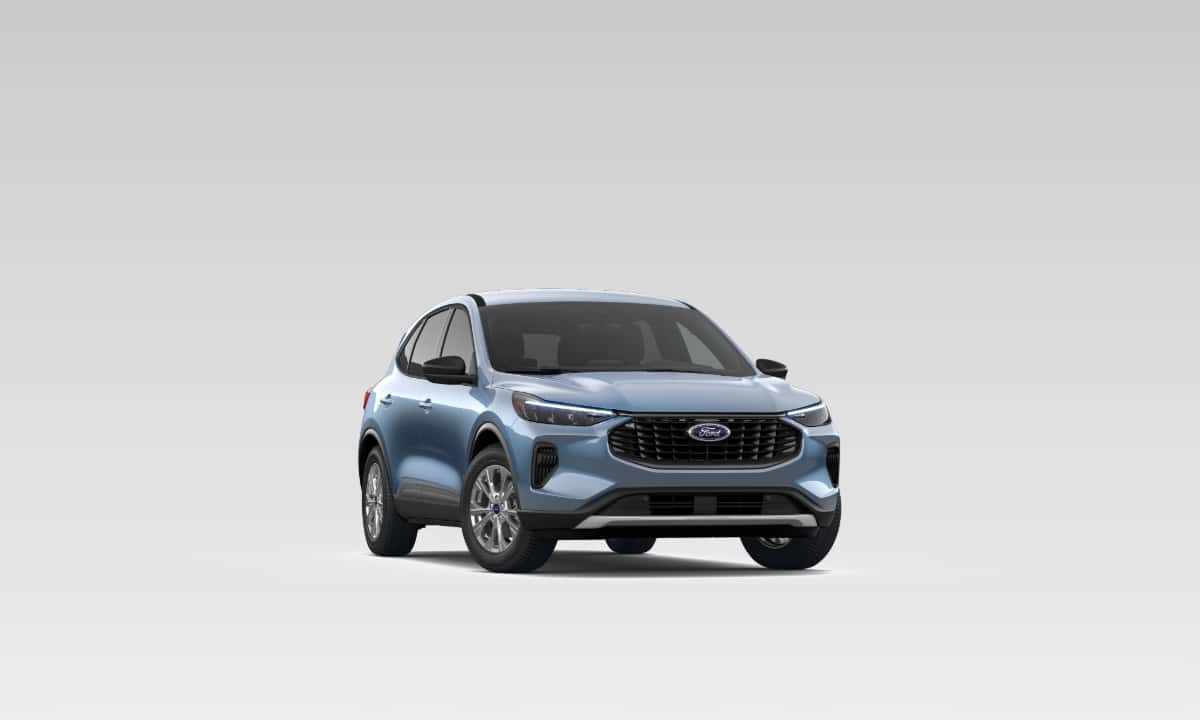
Compact SUV, AWD available on gas and hybrid trims.
Worth knowing: not every Ford is built for AWD or 4WD — and that's by design. The Mustang GT, for example, is rear-wheel drive only, tuned for performance rather than traction. Sending power to just the rear wheels is part of what makes it handle the way it does.
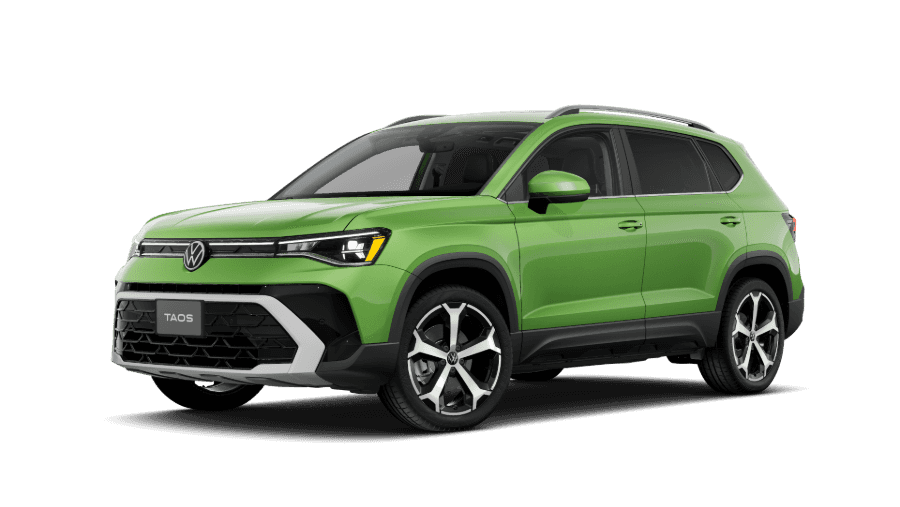
Compact SUV, 4MOTION standard on SEL, available elsewhere.
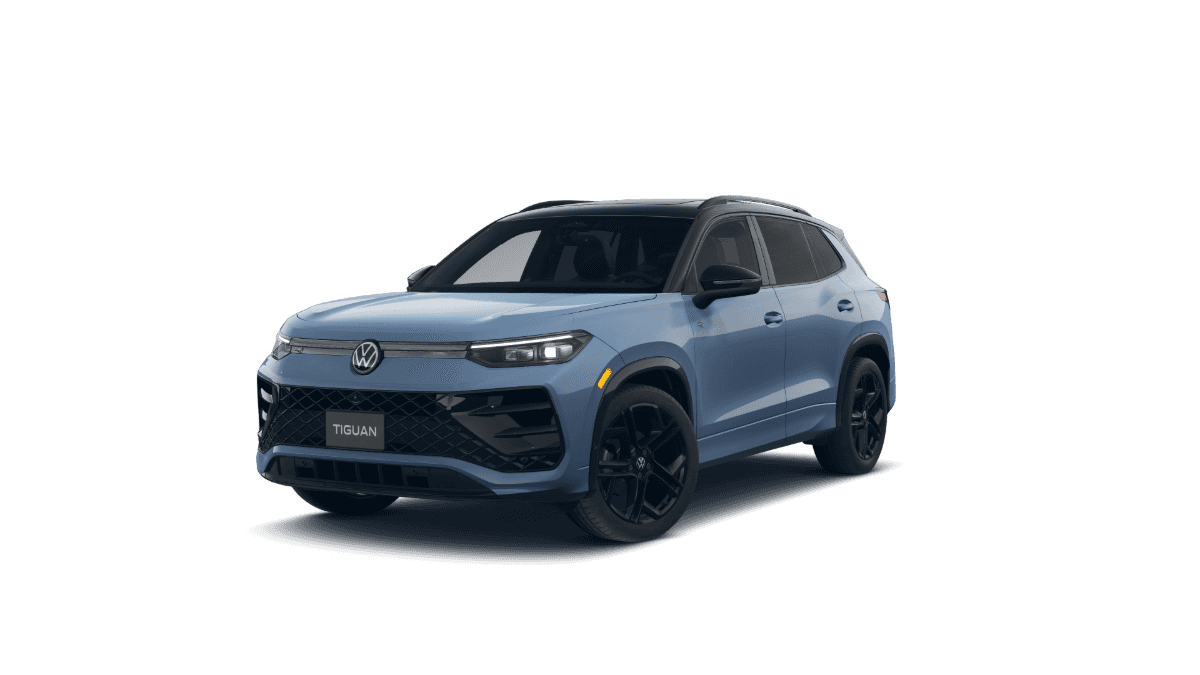
Compact SUV, 4MOTION standard on higher trims.
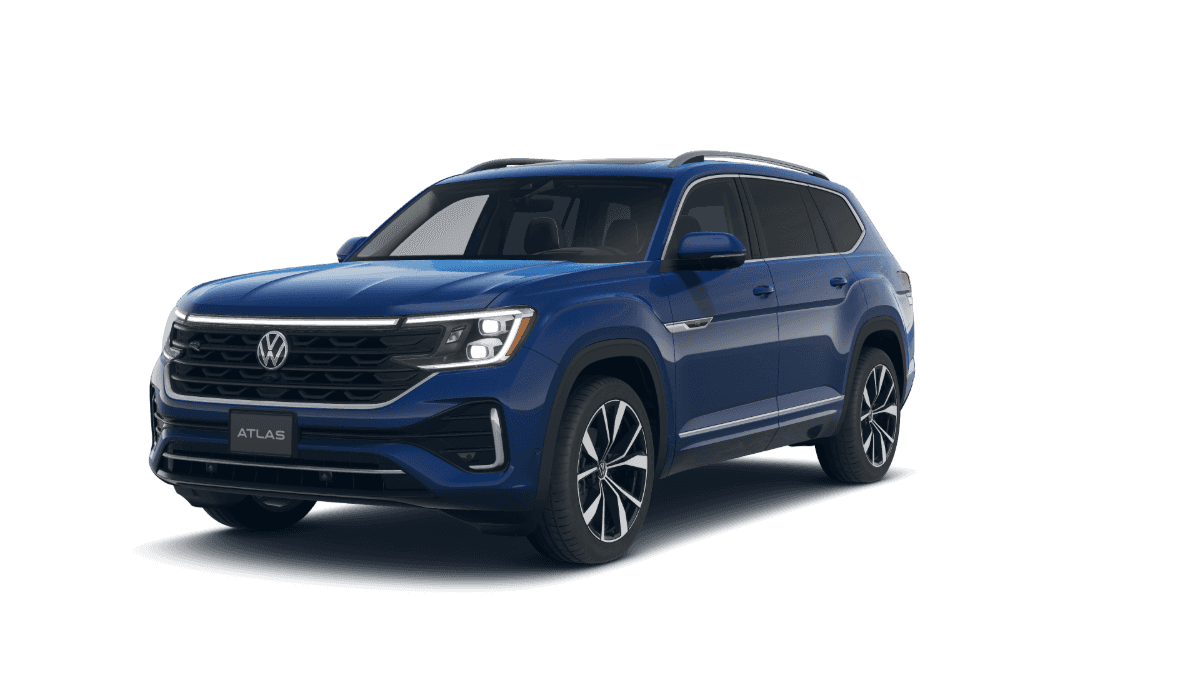
Three-row SUV, 4MOTION standard on Peak Edition.
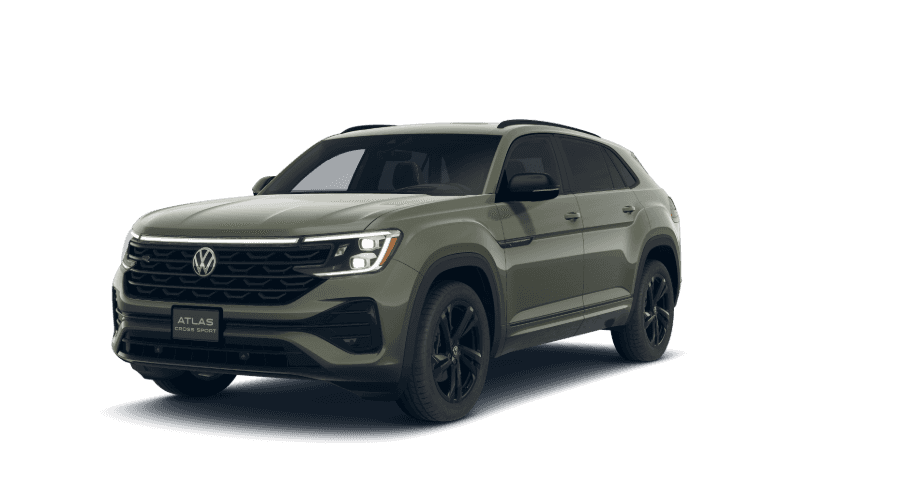
Two-row Atlas, 4MOTION available on most trims.
No. AWD runs automatically, full-time, and is built into most car-based SUVs and crossovers. 4WD is usually driver-selectable, uses a separate low-range gear set, and is built for trucks and dedicated off-road rigs. They solve overlapping problems with different hardware.
Neither is better across the board — they're built for different jobs. AWD suits daily driving, wet roads, and light snow. 4WD suits deep snow, mud, gravel roads, and towing where you need low-range gearing and real ground clearance.
Most Magic Valley drivers do fine with AWD and a good set of winter tires for around-town driving in Twin Falls, Burley, Jerome, or Rupert. If you're regularly on unplowed backroads, hauling, or heading into the mountains, 4WD is the more capable choice.
Most people use them interchangeably. Some automakers use "4x4" for true 4WD trucks, and also for crossovers running an AWD-style system tuned for light off-roading — the Ford Bronco Sport is a good example of the second kind.
For most snowy road conditions, yes — a modern AWD system paired with good winter tires handles the vast majority of winter driving just fine. 4WD pulls ahead in deep, unplowed snow or when you need low-range gearing.
Every Mazda SUV we carry — CX-30, CX-5, CX-50, CX-70, and CX-90 — comes with standard AWD. Ford offers 4WD on the Bronco, Ranger, and F-150, and available AWD on the Explorer and Escape. Volkswagen offers available 4MOTION AWD on the Taos, Tiguan, Atlas, and Atlas Cross Sport.
No pressure, no pitch — if you want help figuring out which drivetrain actually fits how you drive, any of our teams are happy to walk through it with you.

